Electroculture: Harnessing Electricity for Generous Plots
Electroculture: Harnessing Electricity for Generous Plots
Blog Article
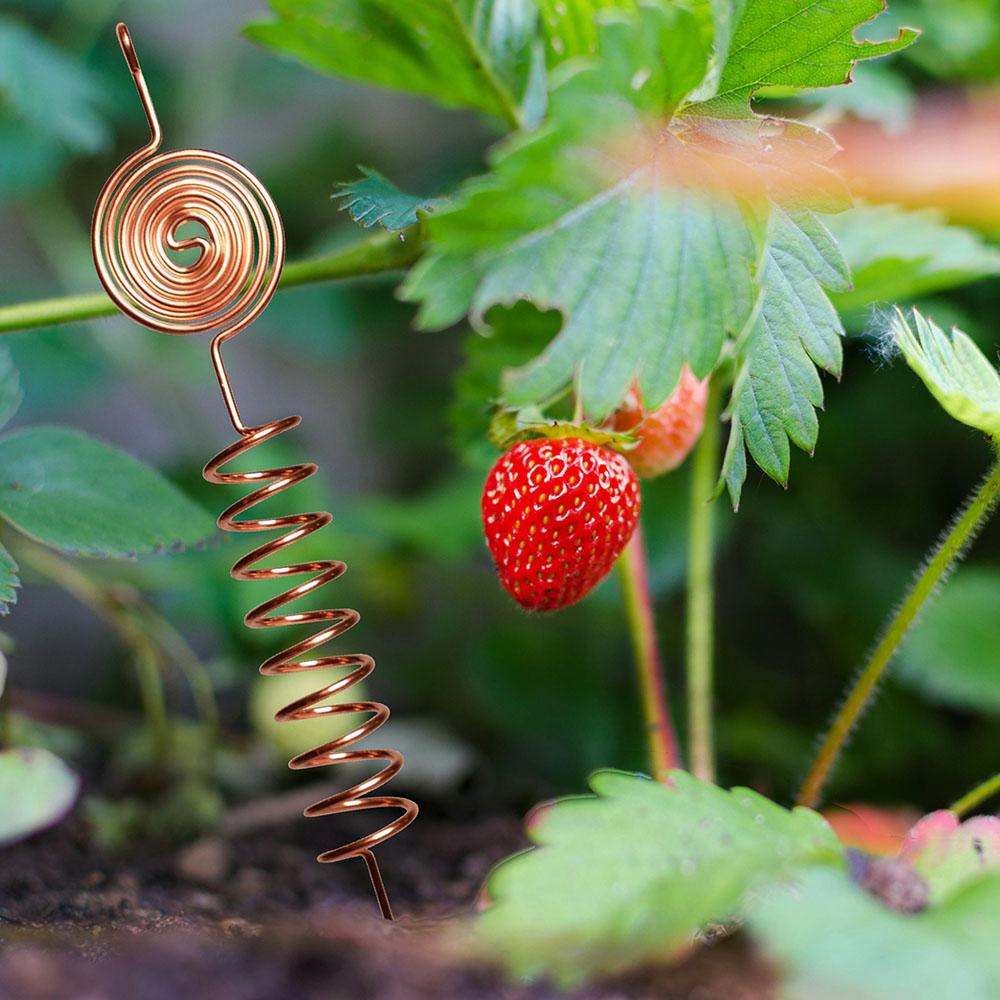
Electroculture, a unusual technique , proposes that plants can thrive when subjected to gentle electrical currents . Advocates of electroculture believe that this gentle boost promotes water absorption , leading to accelerated development and conceivably bigger yields . While scientific validation remains scarce , many experimenters share astounding gains in their home patches , fueling additional study of this unconventional system to horticulture and produce cultivation.
Getting Started to Electrical Gardening
Interested to learn a innovative gardening method ? Electro-culture gardening involves harnessing electric energies to boost plant yield. The process sounds futuristic, but the basic principles are surprisingly easy to grasp . Typically, it requires creating some grid of metal wire over your seedlings , sometimes connected to a small energy source. While definitive proof is available limited, many gardeners experience significant increases in plant health and productivity . Let’s briefly cover the fundamentals in later sections.
Does Bio-Electrical Agriculture Actually Operate? Differentiating Fact and Myth
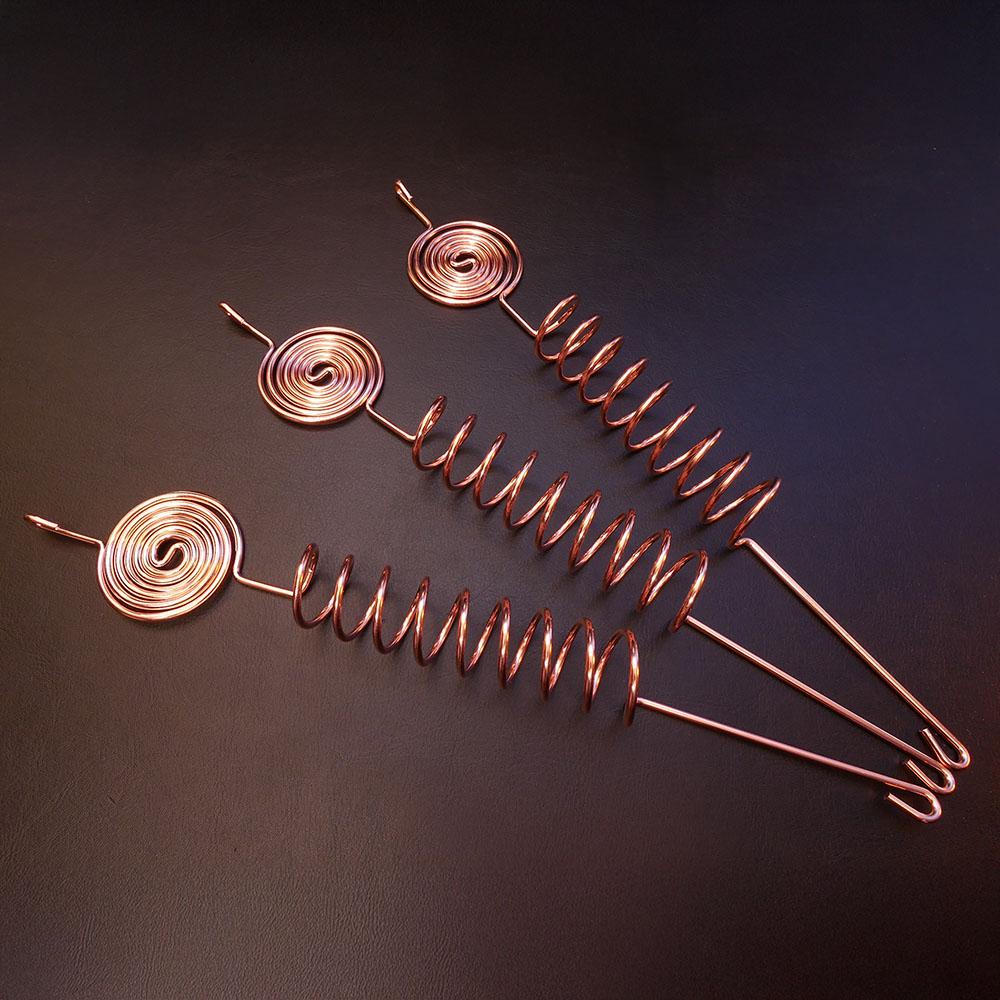
Electroculture, a technique employing low-voltage electricity to boost plant production, has generated considerable interest online. However, it's essential to thoroughly evaluate the assertions and separate genuine results versus unsubstantiated hype. Although several early tests seem to indicate improved yields, the empirical grounding persists primarily unexplained. Numerous reportedly triumphs may be caused by hidden influences, like improved soil, electroculture antenna designs water management, or simple coincidence. Better study and peer-reviewed approval are required to confirm whether electroculture is a reliable agricultural technique.
Creating Your Own Bioelectrical Garden: A Detailed Guide
Embarking on the unusual world of electroculture can look daunting, but constructing your homemade electroculture garden is surprisingly manageable with a some basic steps. First, obtain your materials: a container , copper wire , zinc sheet , water, and a electricity – a small battery or self-made cell can suffice. Then , position the copper and zinc around the water inside the container, ensuring they haven't touch. The energetic field produced between these metals is believed to encourage plant vitality. Finally, monitor your plants and modify the system as necessary – electroculture is as much concerning experimentation as it is about following directions .
Electrical Gardening vs. Conventional Cultivation: What is This Variation ?

Several horticulturists are investigating electrical gardening as an method to traditional cultivation. While both seek to nurture thriving plants , they employ drastically contrasting techniques . Traditional gardening depends on soil nutrients , sunlight , and hydration, often with supplemental fertilizers . In contrast , electrical gardening leverages a minimal charge to energize plant development , potentially minimizing the dependence on ground and standard enhancements. Finally , bio-electrical farming signifies a quite new field in agriculture and specific potential .
Boosting Plant Growth with Electroculture: Potential & Practicalities
Electroculture, a debated technique suggesting plant flourishing through electrical charges, has ignited considerable attention amongst gardeners . Initial accounts claimed astounding increases in harvest and overall plant robustness. While the exact mechanism remains uncertain , some hypotheses point to improved water assimilation and nutrient distribution within the ground. Practical applications can range from basic DIY setups employing copper and zinc conductors to more advanced systems . However, it’s vital to examine electroculture with consideration, acknowledging the restricted peer-reviewed scientific proof and potential hazards associated with incorrect implementation. Further study is needed to fully grasp the potential and limitations of this captivating strategy to agriculture .
- Potential benefits include increased yield and improved plant health.
- Consider the need for further research and scientific validation.
- Practical applications range from simple DIY systems to complex configurations.